dag andre ivarsøy
Dag Andre ivarsøy | 2026
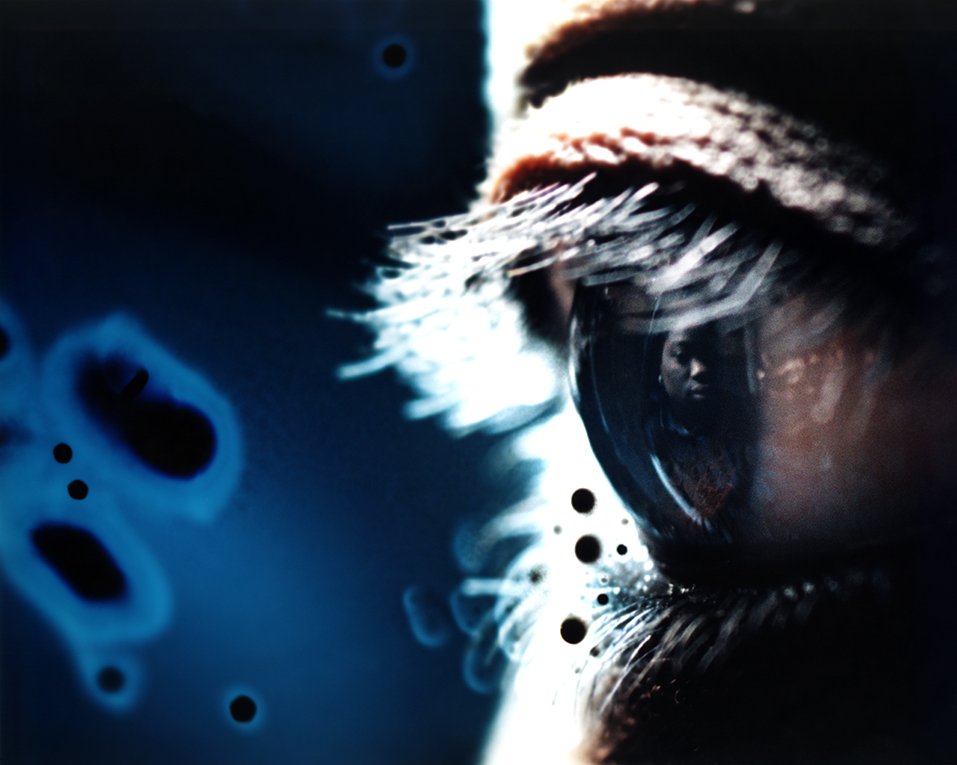
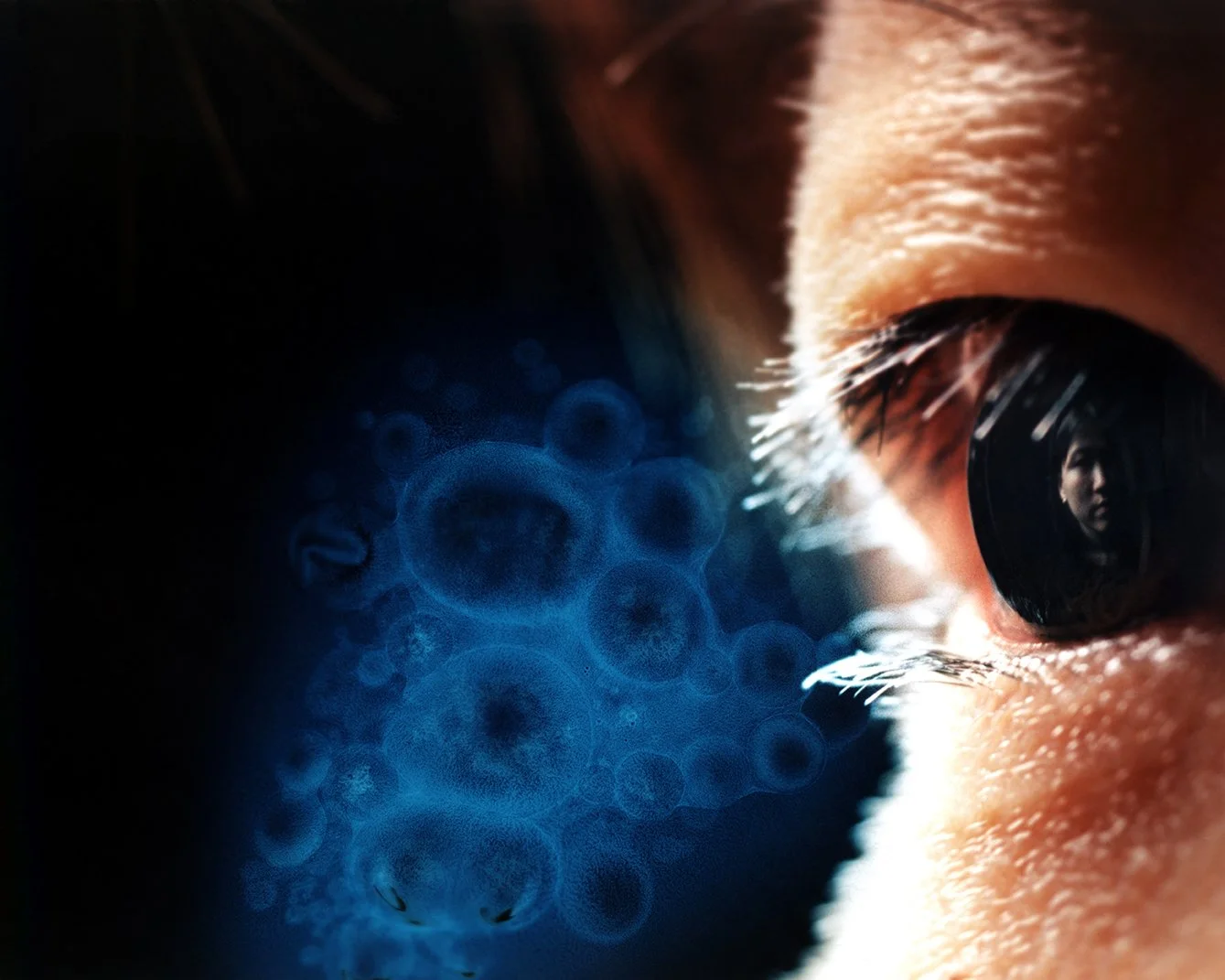
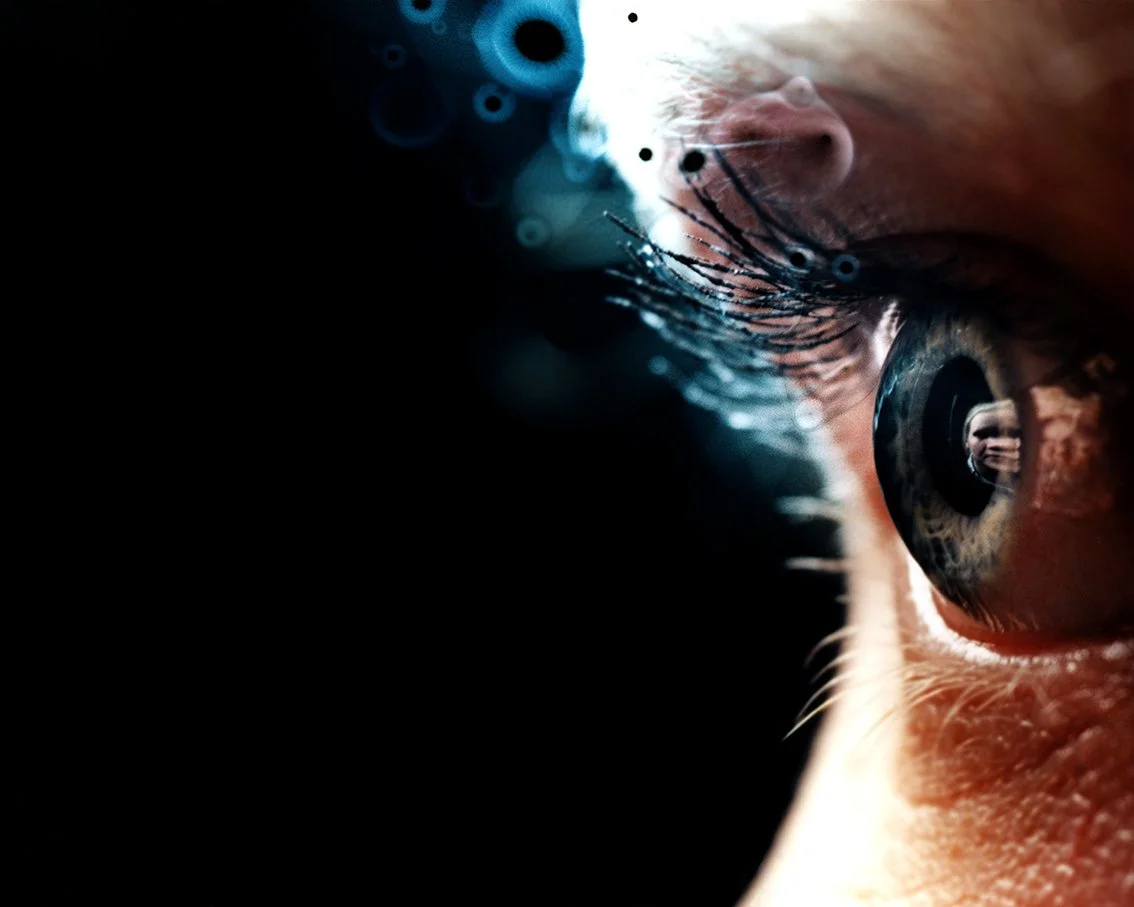
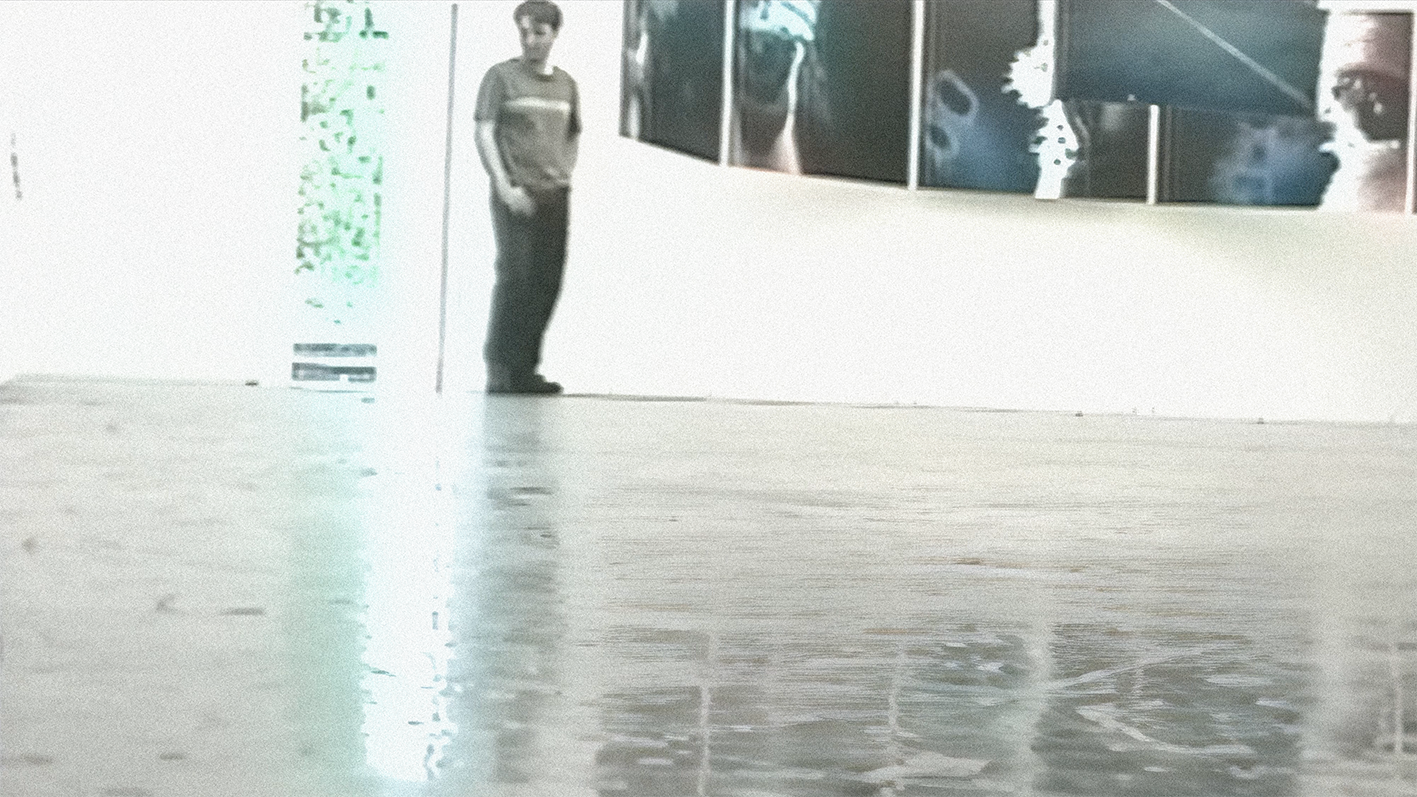
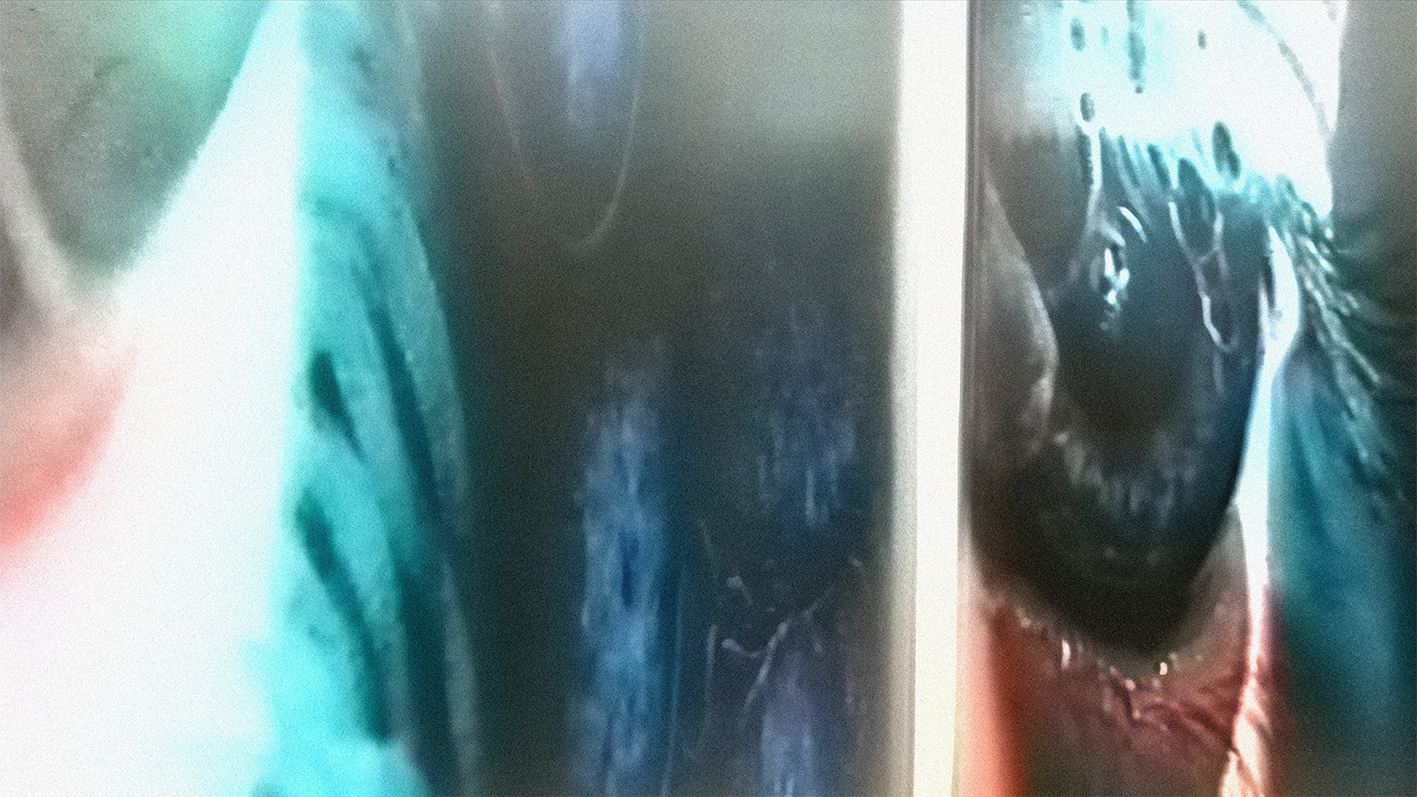
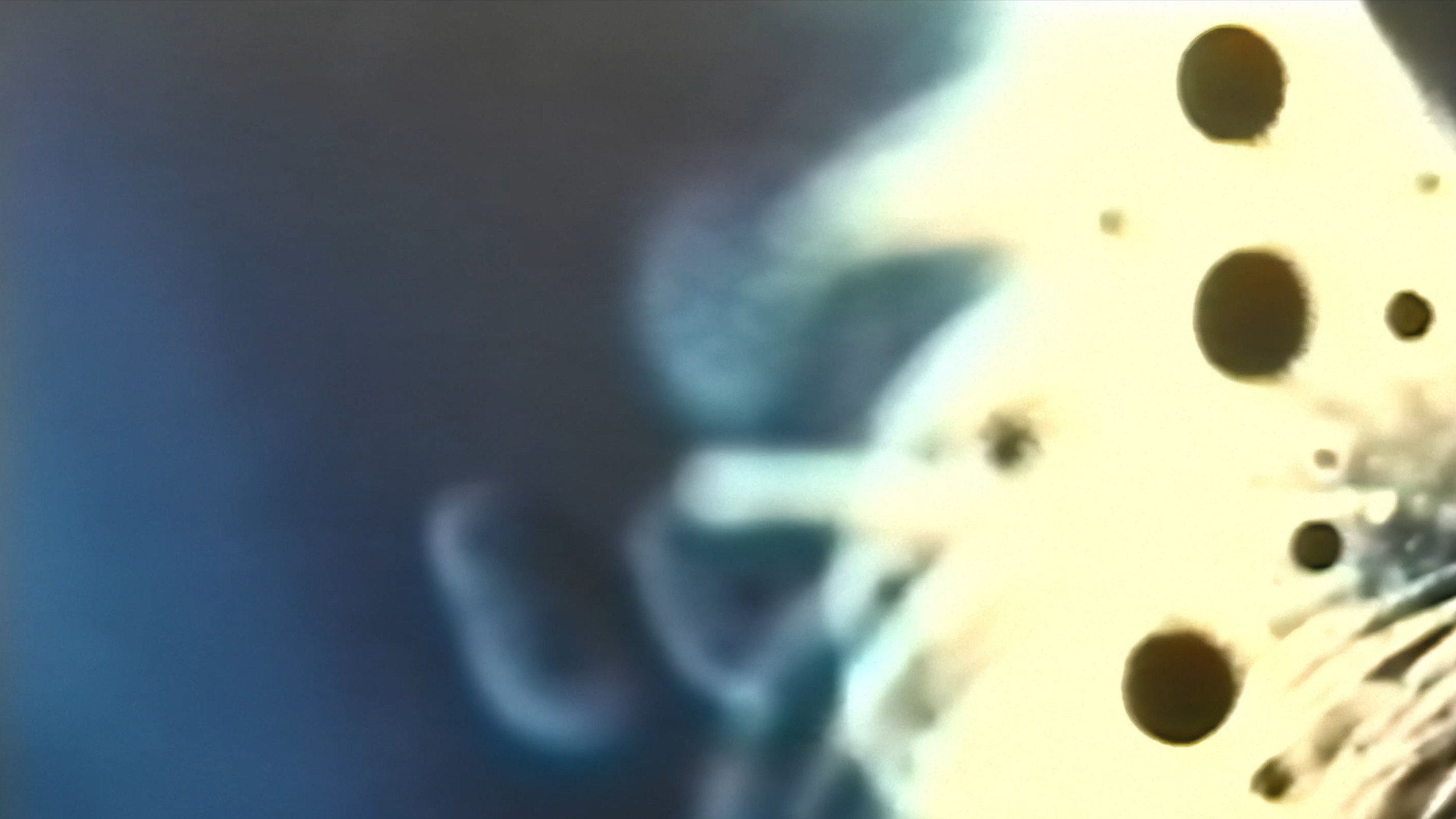
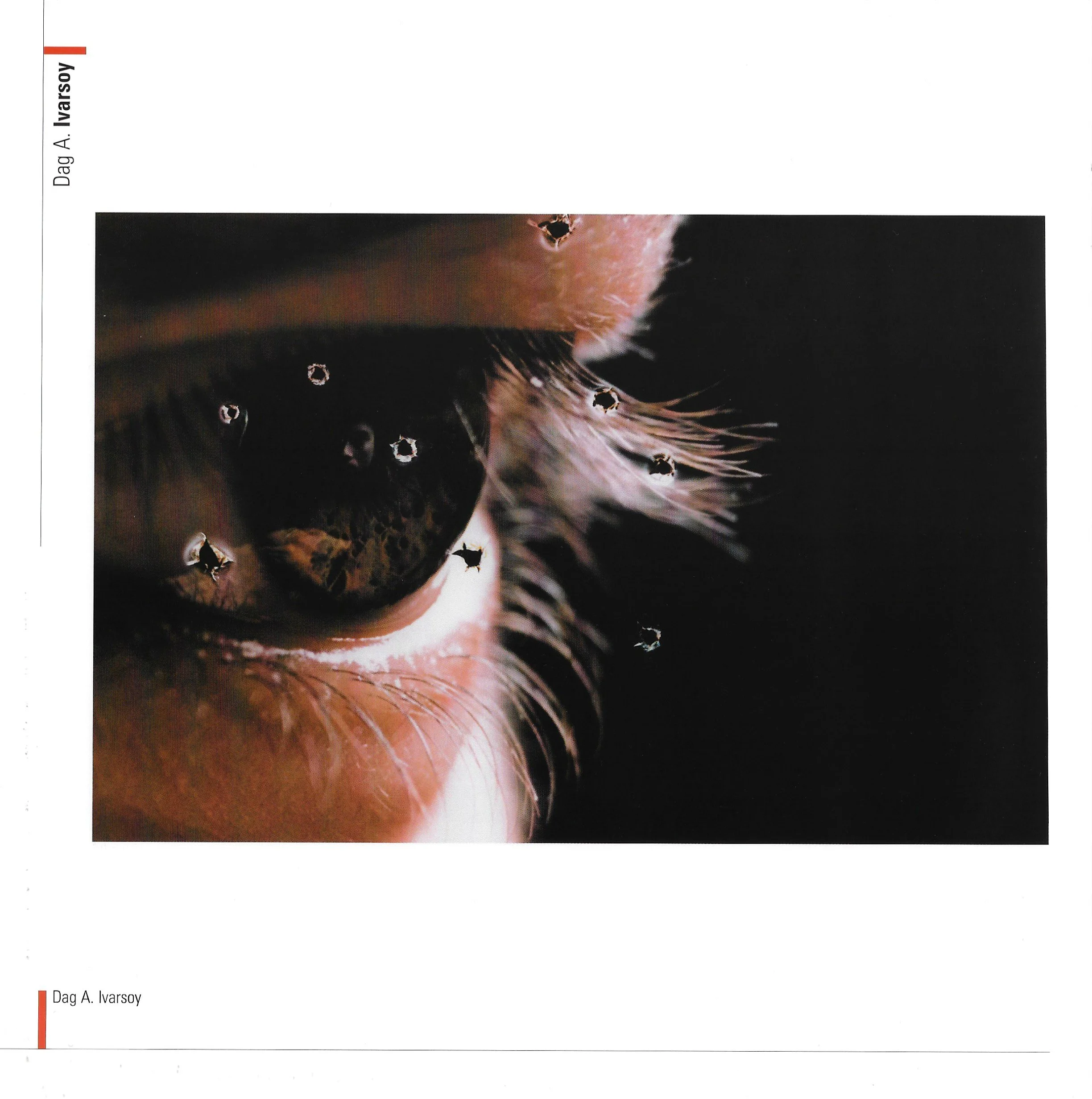
There was a burnt-out car outside Hackney Downs School, and it set the tone for the whole place: eerie, almost post-apocalyptic. Inside, the classrooms still held traces of school activity, as if the students had rushed out in a hurry and never come back. That atmosphere stayed with me. I installed my work — a series of eye images — in a half-circle, suspended on wires in the middle of a room. They felt imposing, like giant eyes staring back at you in a kind of sci-fi space, revealing something deeper about the subject. Seeing my work displayed like that, in such a distinctive setting, was an amazing feeling.
The eye images were my final project at Kent Institute of Art and Design (KIAD). I was trying to capture something of the soul of a person through the eye, using mirrors to incorporate reflection into the image. It built on an earlier mirror-based project, where I photographed myself reflected in a mirror so that the viewer could see parts of themselves within the image. The idea was to explore how we are shaped by the people we encounter — that sense of shared identity and reflection. What stays with me is the attempt to go beyond surface portraiture and make something more introspective and connected.
The private view was busy and full of energy. We improvised on the spot, borrowing and patching together aux cables from Marianne Paraskeva's video installation to get a projector working for the celebration in the swimming pool. It felt chaotic, but in a good way — entirely in the spirit of the show.
KIAD was an amazing place to study. The BA Photography course was closely connected to the industry, with guest lecturers, work placements, and four professional photographic studios with high-end equipment, and it gave us a strong foundation. The tutors were central to that. Keith and Conrad laid down the fundamentals, while Phil, Ori and Caroline encouraged us to think more artistically and to find our own voice. Kevin Liggett's leadership made the whole thing possible and shaped what the course became. Our year group was strong and ambitious. We organised multiple exhibitions, including one at the Home bar in London, and won prizes at the Association of Photographers Awards. It was a driven, creative environment to be part of.
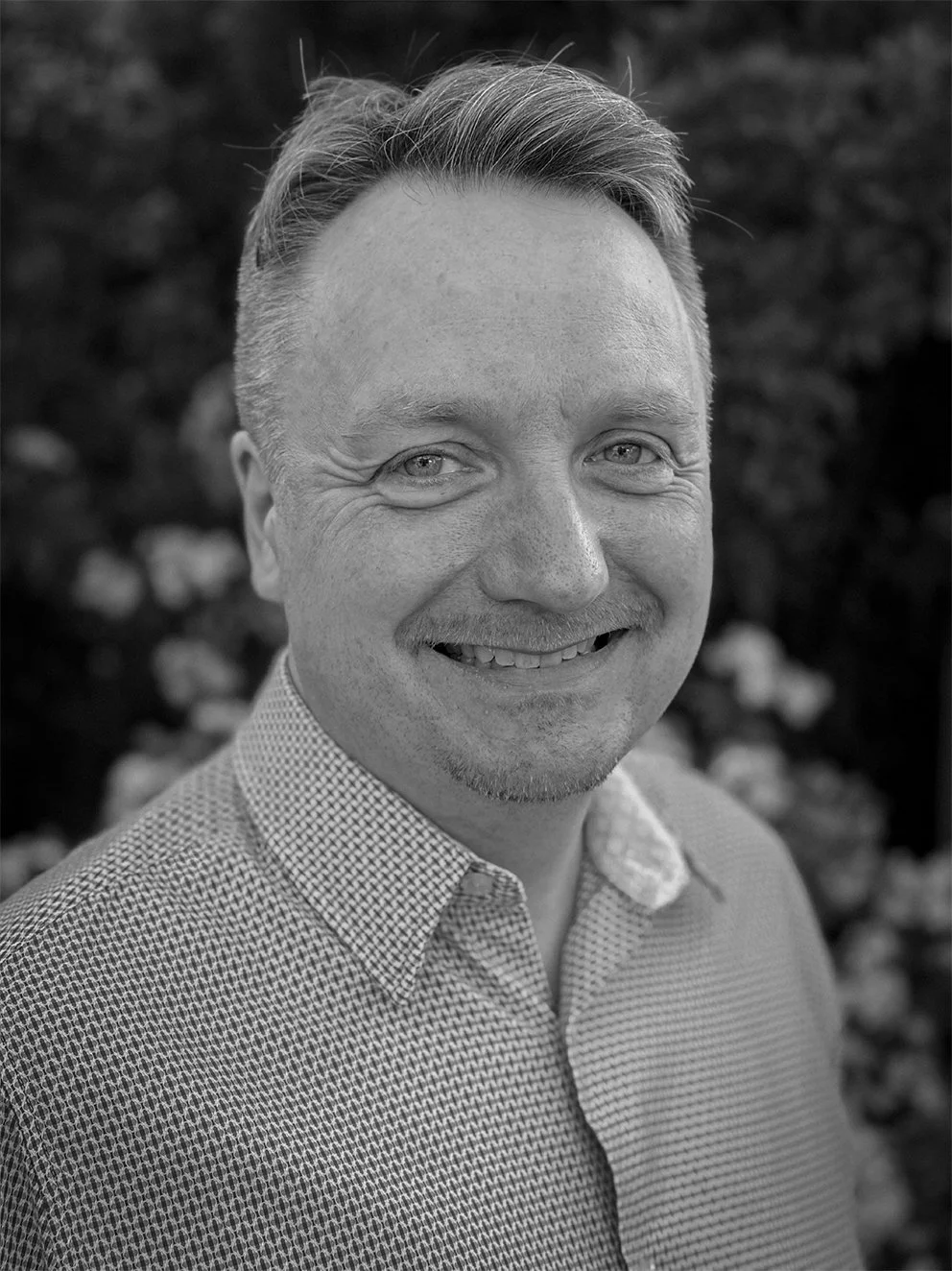
After KIAD I moved back to Norway in 2001 to start my photographic career. As a freelance I worked across editorial, advertising and portraiture, with images published in national newspapers and magazines, and shot campaigns for agencies such as Bold TBWA and Tusj. There were long-term collaborations too — with Finansforbundet, YS, Diabetes, National TaeKwon-Do Norway, Aktuell Kunst and Bertel O. Steen — and a spell as secretary for the Association of Advertising Photographers in Norway, which I enjoyed. In 2008 I began working as a photographer at the National Museum of Art, Architecture and Design in Norway, photographing historic artwork, exhibitions and events. A few years later I reconnected with my future wife, Hazel, and in 2012 I moved to the UK, where we married. Around the same time I began a second career in computer science, and have since worked in a range of engineering roles, including Lead Engineer, Head of Engineering and Director positions across several companies.
Watching the In Motion films again brought back a strong sense of nostalgia. We were so young. They made me wonder where everyone ended up, and what people are doing now. They also brought back things I had half forgotten — the fundraising that went into making the exhibition happen, the choreographed "One Night Only" performance in the student bar — and, with them, the energy and ambition we had at the time. My focus has since shifted from photography to engineering and family life; I still take out my medium format camera occasionally and shoot a few rolls of film, more for the nostalgia than anything else. What I have carried with me, though, is a sense of curiosity and an interest in human connection. Those themes were there in the work then, and they still underpin how I think now.